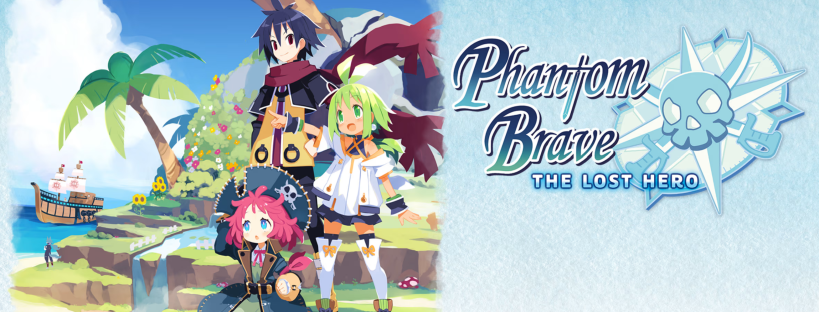
After 20 years on the sidelines, Phantom Brave is back—and it’s every bit as weird, charming, and strategic as you remember.
A cult classic long overshadowed by its older sibling Disgaea, Phantom Brave first launched on the PS2 in 2004. While Disgaea would go on to spawn seven mainline entries and a multitude of spinoffs, Phantom Brave was largely relegated to ports—first to the PSP and Nintendo Wii, then to PC in 2016, and finally to the Switch in 2021.
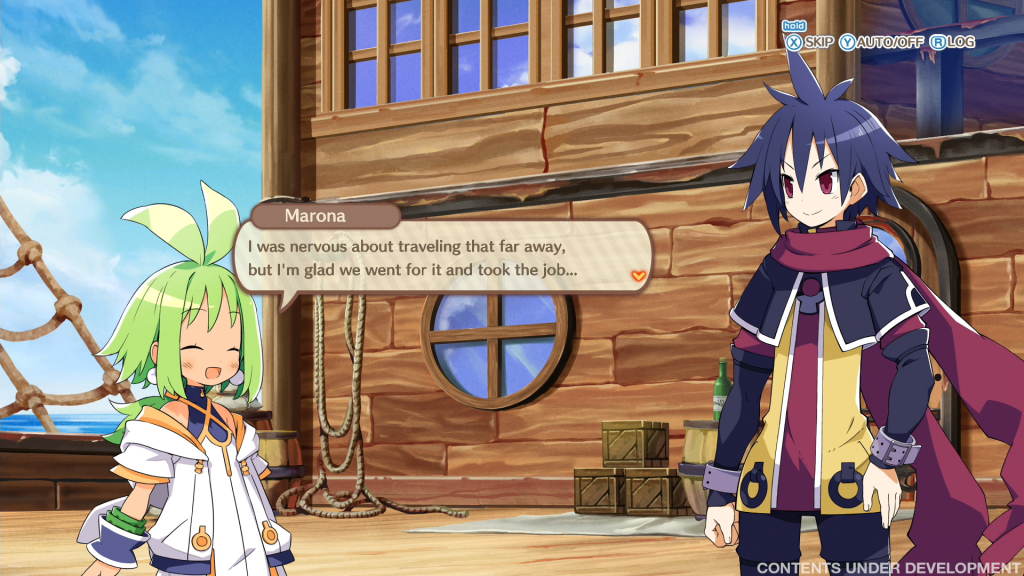
But in 2025, fans are finally returning to the water-covered world of Ivoire. Phantom Brave: The Lost Hero picks up just months after the original’s ending. The story once again centers on adventurer-for-hire Marona, now joined by a colorful new cast as she searches for her phantom friend Ash and helps a young phantom girl named Apricot rebuild her pirate crew.
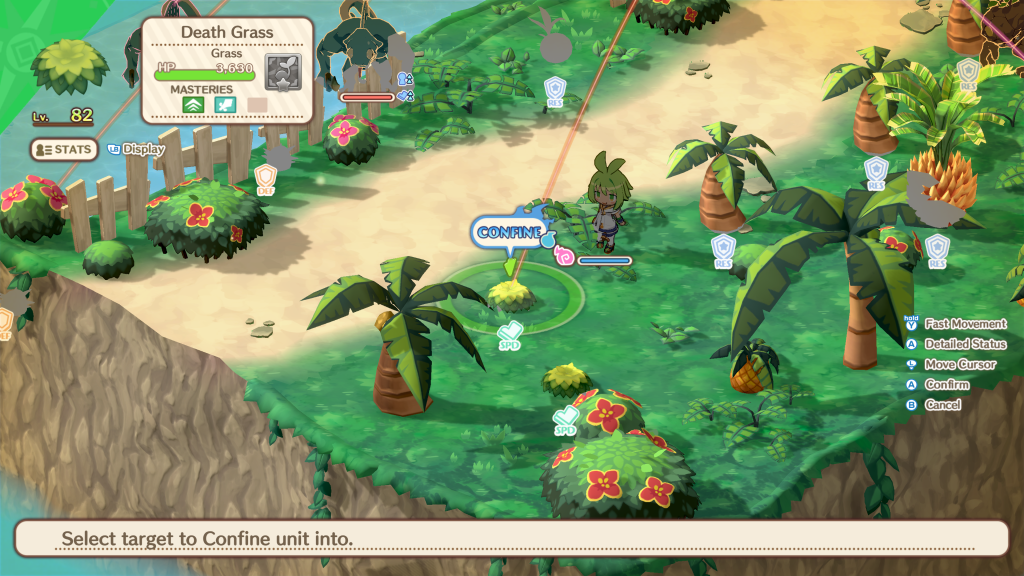
Strategy RPG veterans—especially Disgaea fans—will find familiar elements here, but Phantom Brave continues to chart its own path. Marona “confines” phantoms to objects on the battlefield—trees, rocks, bushes, starfish—each offering unique stat modifiers. These summoned allies can only remain for a set number of turns, adding a layer of strategy to when and where you deploy them. Perhaps most distinctively, Phantom Brave forgoes the traditional grid system entirely, using a free-roam turn-based movement radius instead.
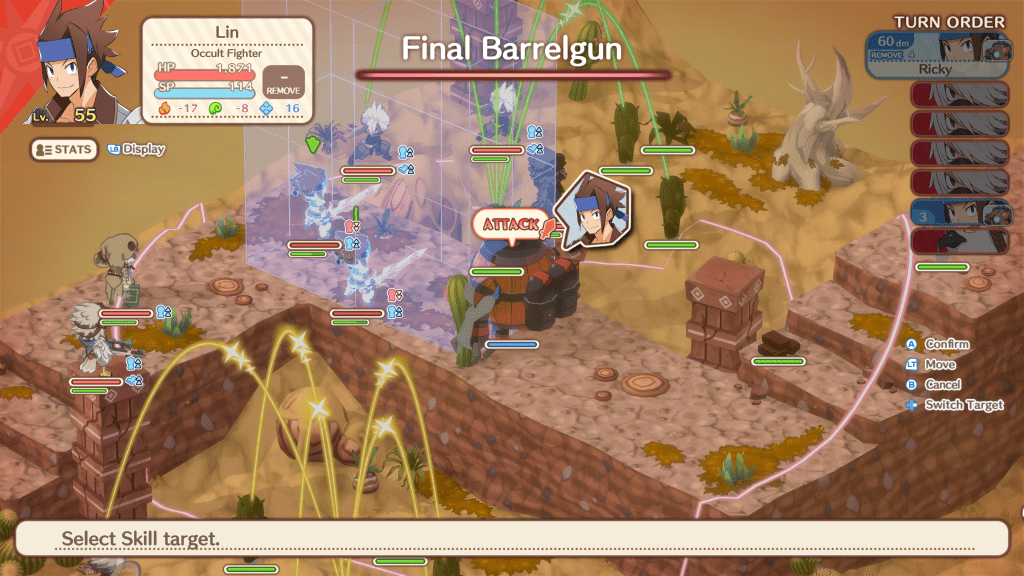
There’s a lot to chew on mechanically, but that’s part of the game’s charm. My favorite new addition is “Confriend,” a system that lets Marona fuse with another unit she’s bonded with to create an often adorable—and often terrifying—hybrid capable of wrecking shop on the battlefield (shoutout to Magirona). With over 50 character classes to experiment with and an endless array of builds, customization options can feel delightfully overwhelming.
Where The Lost Hero stumbles, though, may be make-or-break for some. While the original English voice cast returns for Marona and Ash, I personally couldn’t stick with the dub past the opening act. That may be personal bias—I’m more at home with Japanese voice acting in anime-style games—but the delivery just didn’t land for me. Also worth noting: the game’s aesthetic has shifted to a chibi 3D model style. While not inherently bad, it doesn’t quite recapture the charm of the original’s gorgeous PS2-era pixel art.
Performance-wise, the Switch version struggled to maintain a steady 30FPS in my experience. Thankfully, the turn-based combat makes this more of a nuisance than a dealbreaker. On the flip side, the Steam version ran flawlessly on my Asus ROG Ally, and I’d wager a Switch 2 port could make a world of difference for handheld fans.
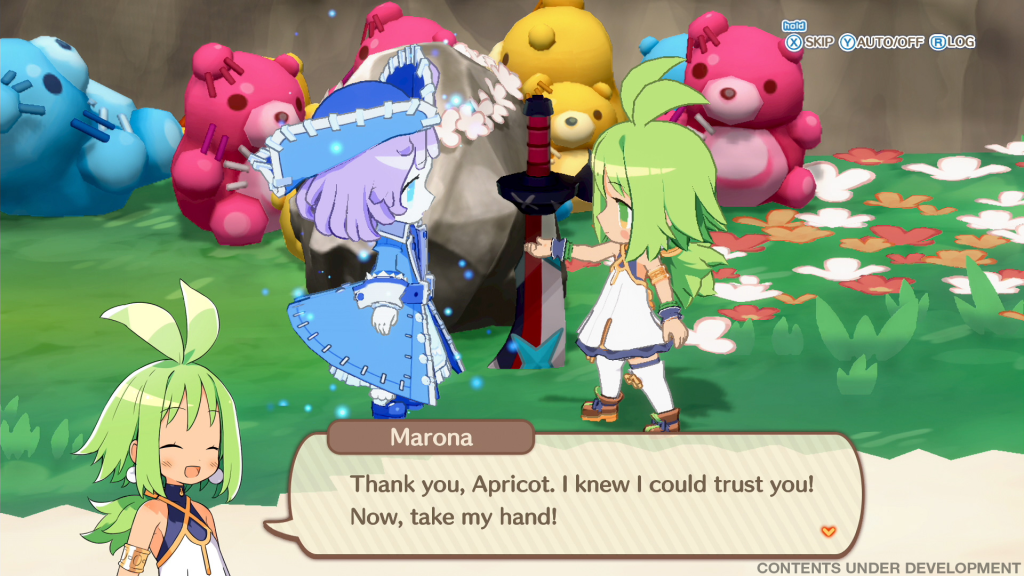
Still, Phantom Brave: The Lost Hero delivers where it counts. The gameplay is deep, flexible, and compulsively engaging. The story is serviceable, the characters are charming, and longtime NIS composer Tenpei Sato returns with another heartfelt soundtrack. I never expected a sequel to Phantom Brave, but here it is—a surprise, to be sure, but a welcome one. It’s good to be back in Ivoire. Huge thanks to the team at Nippon Ichi Software for remembering the diehard fans and delivering a worthy return.
Phantom Brave: The Lost Hero is available now on Nintendo Switch, PlayStation 4, PlayStation 5, and Steam.
Disclaimer: Review copies were provided for coverage. As always, my opinions are my own—no money was exchanged, and no one at NIS saw this review prior to publication.

